Introduction: Empowering Richmond Homeowners with DIY Plumbing Tips
As a homeowner in Richmond, Virginia, knowing how to tackle basic plumbing issues can save you time and money. While professional plumbing services are essential for complex problems, there are several minor issues you can resolve yourself with a little guidance. This article offers a beginner-friendly guide to some of the most common plumbing fixes that Richmond homeowners can handle without professional help.
Essential Tools for Basic Plumbing Repairs
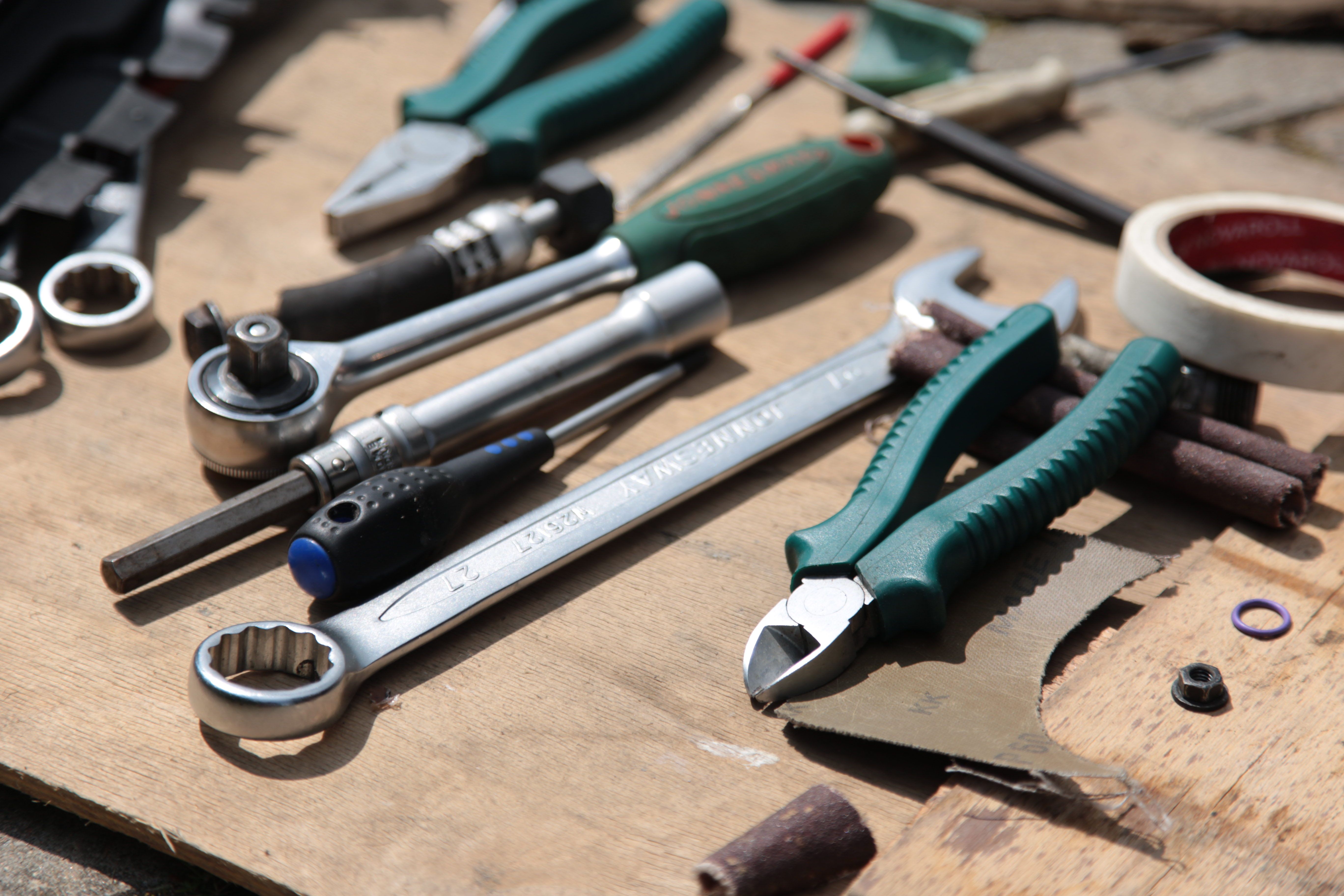
Before diving into repairs, ensure you have the right tools on hand. Here’s a list of essential plumbing tools every Richmond homeowner should consider having:
- Plunger: Ideal for unclogging toilets and drains.
- Pipe Wrench: Useful for loosening and tightening pipes.
- Adjustable Wrench: Handy for various nuts and bolts.
- Plumber’s Tape: Prevents leaks at threaded plumbing connections.
- Bucket: Catches water from leaks or spills during repairs.
With these tools ready, you'll be prepared to tackle the common plumbing issues discussed below.
Fixing a Leaky Faucet
Identify the Type of Faucet
Faucets typically fall into four categories: compression, ball, cartridge, and ceramic disk. Identifying your faucet type is crucial for fixing leaks effectively.
Steps to Fix a Leaky Compression Faucet
Compression faucets usually leak due to worn-out washers. Here’s how to address this:
- Turn off the water supply to the faucet.
- Remove the faucet handle by unscrewing it.
- Use a wrench to remove the nut securing the stem.
- Replace the old washer with a new one.
- Reassemble the faucet and turn the water supply back on.
This simple fix can prevent water wastage and lower your water bill.
Unclogging a Slow or Clogged Drain
Using a Plunger
A plunger is a versatile tool for clearing clogs in sinks and bathtubs. Here’s how to use it effectively:
- Ensure there is enough water in the basin to cover the plunger cup.
- Place the plunger over the drain and pump it up and down vigorously.
- After a dozen pumps, lift the plunger to see if water drains away. Repeat if necessary.
Employing a Drain Snake
If a plunger doesn’t work, try a drain snake:
- Insert the snake into the drain and rotate it to catch the clog.
- Once you feel resistance, pull the snake out slowly, removing the debris.
This method is particularly effective for stubborn hair clogs in bathroom drains.
Stopping a Running Toilet
Inspecting the Flapper
A running toilet often stems from a faulty flapper. Follow these steps to fix it:
- Turn off the toilet’s water supply.
- Remove the tank lid and inspect the flapper for damage or misalignment.
- If worn, replace the flapper with a new one from a hardware store.
- Ensure the chain has the correct slack to allow the flapper to seal properly.
- Turn the water supply back on and test the flush.
Preventing Future Plumbing Issues
Prevention is key to avoiding plumbing issues. Here are some tips for Richmond homeowners:
- Regular Inspections: Check for leaks and drips periodically.
- Avoid Chemical Drain Cleaners: They can damage pipes over time.
- Insulate Pipes: Protect pipes from freezing during Richmond's cold winters.
- Mind What You Flush: Only flush human waste and toilet paper to prevent clogs.
When to Call a Professional
While these DIY fixes are manageable, certain situations require professional attention. If you encounter persistent leaks, sewer issues, or have no water supply, it’s time to contact a professional plumber like A-Mass Plumbing & Heating.
For Richmond residents, having a reliable plumbing service ensures peace of mind, knowing that expert help is just a call away. Regular maintenance by professionals can also preempt major plumbing disasters.
Conclusion: Embrace DIY Plumbing with Confidence
With the right tools and knowledge, you can tackle basic plumbing tasks confidently. These beginner-friendly solutions not only empower you as a homeowner but also help maintain the functionality and value of your Richmond home. For more complex plumbing needs, remember that A-Mass Plumbing & Heating is here to provide expert services and advice.
By combining DIY skills with professional support, you can ensure a well-maintained plumbing system in your home.