Understanding the Basics of Plumbing and Heating
Whether you're a new homeowner in Richmond, Virginia, or simply looking to enhance your understanding of your home's systems, knowing the basics of plumbing and heating is essential. This guide is tailored for beginners who wish to gain confidence in maintaining and troubleshooting these critical aspects of home infrastructure.
Key Components of Plumbing Systems
Water Supply System
Your home's water supply system is responsible for delivering clean water from the municipal supply to your taps and appliances. It consists of pipes, valves, and fixtures designed to ensure a steady and safe water flow.
- Pipes: Typically made from copper, PVC, or PEX, these transport water throughout your home.
- Valves: Control the flow and pressure of water, enabling you to shut off water to certain areas when necessary.
- Fixtures: Include taps, faucets, showers, and toilets that dispense water for use.
Drain-Waste-Vent System (DWV)
The DWV system is crucial for removing wastewater and sewage from your home. It also allows air to enter the system to maintain pressure and prevent siphoning of water traps.
- Drain Pipes: Carry wastewater to the sewer or septic system.
- Traps: U-shaped pipes that hold water to prevent sewer gases from entering your home.
- Vent Pipes: Release air into the plumbing system to ensure proper drainage and prevent pressure build-up.
Essentials of Home Heating Systems
Types of Heating Systems
Understanding the type of heating system in your home is crucial for effective maintenance and energy efficiency.
- Furnace: Heats air and distributes it through ducts. Commonly powered by natural gas, electricity, or oil.
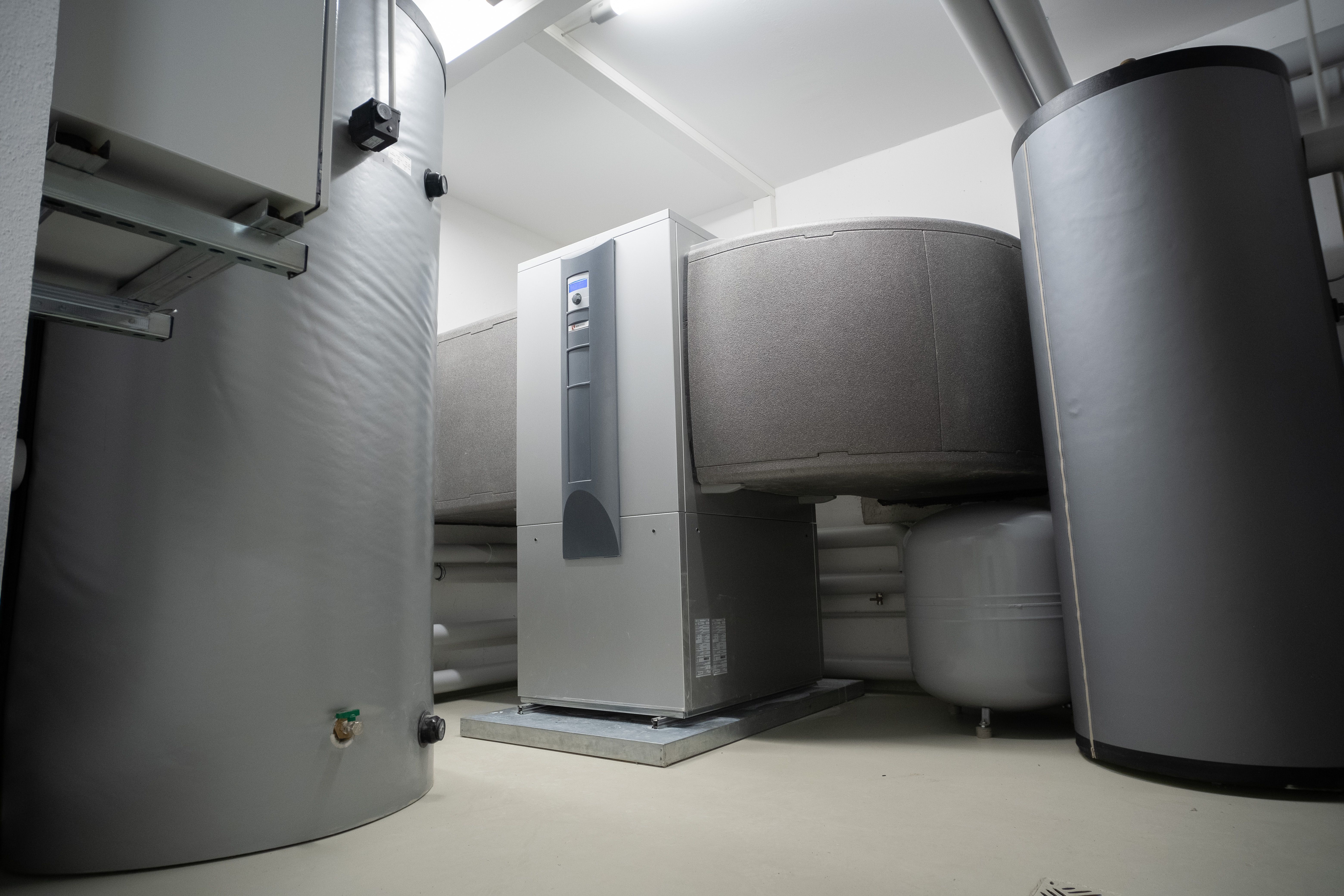
- Boiler: Heats water to provide radiant heat through radiators or floor systems.
- Heat Pump: Transfers heat from outside to inside, acting as both a heater and air conditioner.
Key Components
Regardless of the type of heating system, several components are integral to its function:
- Thermostat: Controls the temperature by turning the heating system on or off.
- Heat Exchanger: Transfers heat to the air or water.
- Blower: Circulates the heated air throughout your home.
Common Plumbing and Heating Issues
Plumbing Problems
Even with regular maintenance, plumbing issues can arise. Here are some common problems and how to address them:
- Clogged Drains: Often caused by debris buildup. Use a plunger or drain snake to clear minor clogs, or call a professional for persistent issues.
- Leaky Faucets: Usually due to worn washers or seals. Replacing these parts can often resolve the issue.
- Low Water Pressure: May result from pipe corrosion, leaks, or blockages. Checking for visible leaks and cleaning faucet aerators can help.
Heating Troubles
Heating problems can affect comfort and efficiency. Here are some typical issues:
- Pilot Light Issues: If your furnace won't stay lit, check for drafts or a faulty thermocouple.
- Uneven Heating: Ensure your home is properly insulated and that vents are open and unobstructed.
- Noisy Systems: Banging or rattling sounds may indicate loose parts or air in the system, requiring professional attention.
Tips for Maintenance and Efficiency
Regular Inspections
Schedule annual inspections with a qualified plumbing and heating professional to identify and resolve potential issues before they escalate.
Energy Efficiency
Optimizing your heating system's efficiency can reduce energy bills. Consider upgrading to a programmable thermostat or replacing outdated systems with energy-efficient models.
DIY Maintenance
While some tasks require professional expertise, homeowners can perform basic maintenance such as cleaning vents, changing filters, and clearing gutters to prevent water damage.
When to Call a Professional
While understanding your plumbing and heating systems is empowering, certain situations necessitate professional help:
- Major Leaks: If a pipe bursts or a major leak occurs, shut off the main water supply and contact a plumber immediately.
- Gas Smell: If you detect a gas odor, evacuate your home and call the gas company or emergency services.
- System Malfunctions: Unresolved issues with your heating system, such as inconsistent heating or frequent cycling, should be inspected by a professional.
Conclusion
Understanding the fundamentals of plumbing and heating systems helps Richmond homeowners maintain their properties more effectively and make informed decisions about repairs and upgrades. For expert assistance, A-Mass Plumbing & Heating is here to ensure your home's systems run smoothly. Contact us for all your plumbing and heating needs in Richmond, Virginia.